MEXICO CITY TOURS
In the New York Times review of my book about Mexico City, First Stop in the New World, Richard B. Woodward wrote, “To test the quality of a travel book, it helps to ask: Would you like to share a meal or a drink with the writer? On the evidence of his book, which reveals him to be an expansive soul with big eyes and an even bigger heart, Mr. Lida should expect calls from a lot of newly arrived strangers, including me.”
How would you like to have that meal or that drink with me? Better yet, how would you like to take a tour of the city with me as your guide? If you give me some idea of what you’d like to see in Mexico City, I can custom-design a tour for you. Or perhaps you’d like to take one of the following tours (or we could work out a combination, with elements of different ones). Click here or scroll below for more information.

La Condesa and La Roma
Mexico City’s hippest neighborhoods are gentrifying quickly. Sometimes you hear more English (or French) on the streets than Spanish. Yet if you know where to go, there are still old-fashioned bastions here. Let's explore the war between the trendy and the traditional.

Secrets of the Centro Histórico
I'll show you the most famous sights in the city's most dynamic neighborhood -- the Zócalo, Bellas Artes and the Plaza Santo Domingo -- I can also take you to the biggest bag of Cheese Doodles you've ever seen, a sexually ambiguous monument to bullfighters, and a clock that was a gift from the Ottoman Empire in 1910.

Markets and street food
When Anthony Bourdain came to shoot an episode in Mexico City, his team hired me to find the best street stalls, holes-in-the-wall, and cantinas where to eat. They even put me on camera. Let me show you where I took him, and take you to even more places for some of the most reliable and delicious food in the city.
Xochimilco
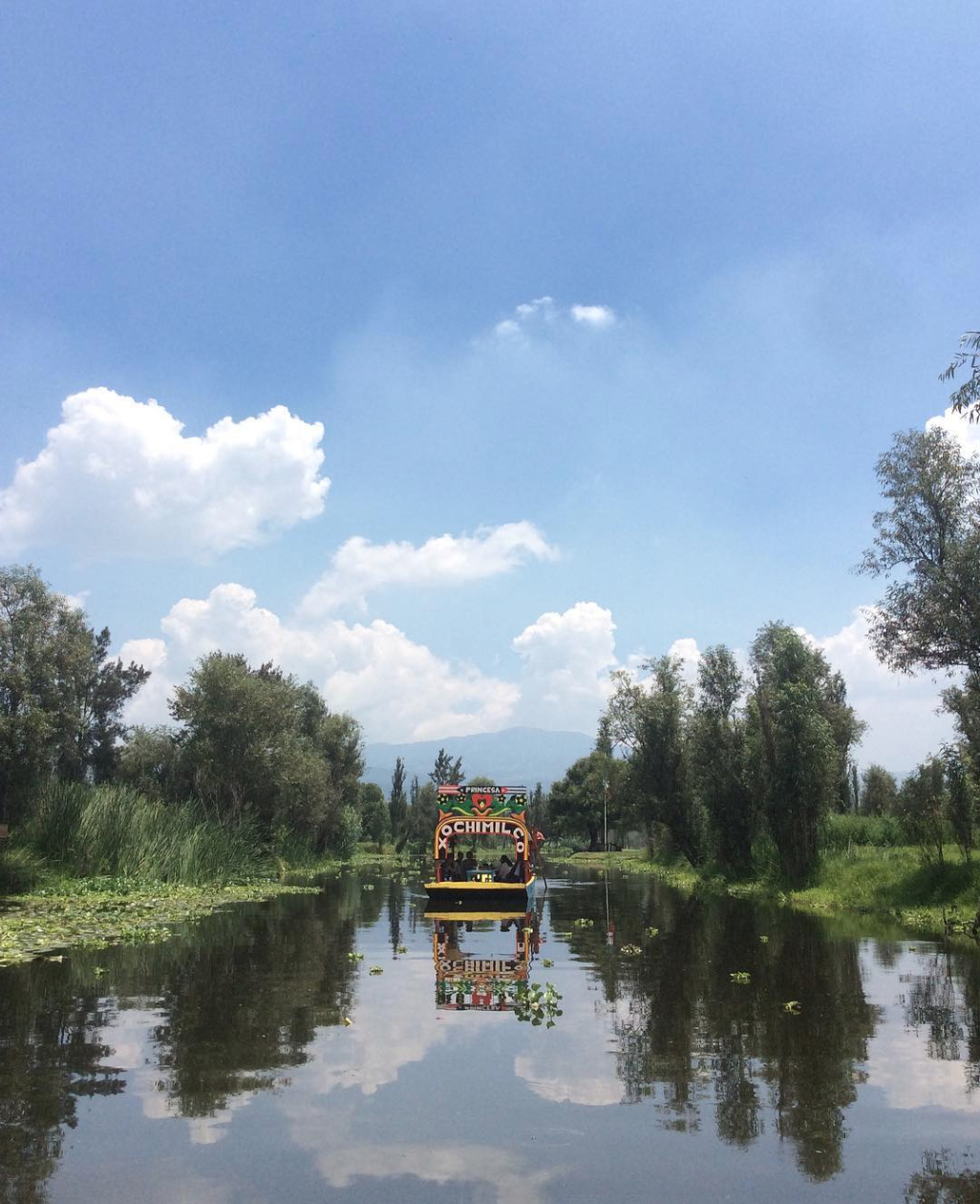
Before the Spanish conquest, most of the Valley of Mexico was a vast system of lakes, canals and islands. In Xochimilco in the south of Mexico City, some of these canals still exist. On this tour you’ll spend an afternoon floating along these canals in a barge, in a setting so placid you will hardly believe you’re still in the city.
Luis Barragán
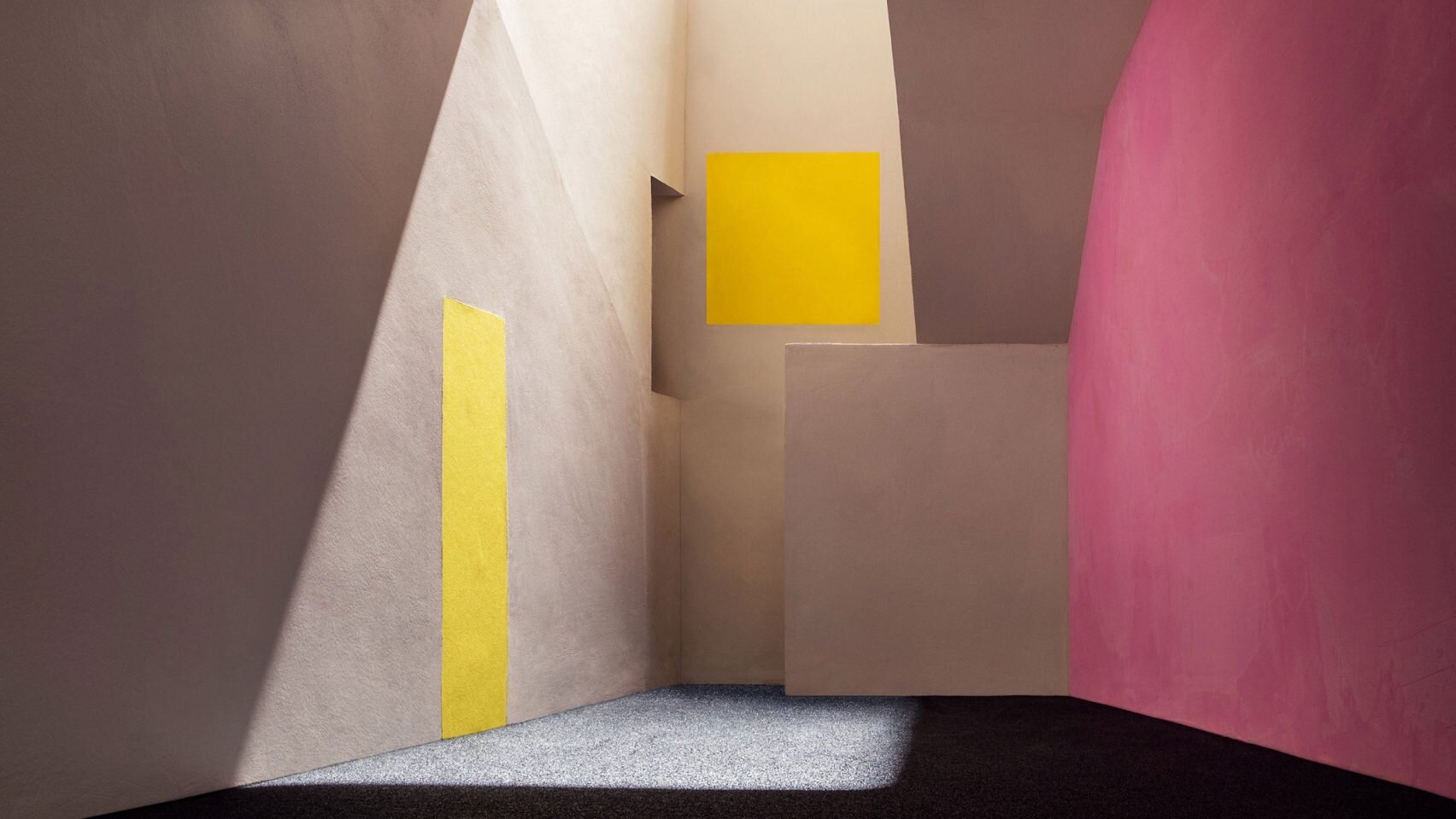
He was Mexico’s most important architect of the 20th century and the country’s only Pritzker prizewinner. Each of his spaces dramatically utilizes light, shadow and color to evoke an uncanny tranquility. This tour can include his own residence, a chapel he designed for Capuchin nuns, and various houses he conceived in the city.

Mexican Muralism
Mexico’s greatest contribution to twentieth-century art was the muralist movement. On this tour you’ll see work by its three most famous exponents, Diego Rivera, Jose Clemente Orozco and David Alfaro Siqueiros (as well as some lesser-known artists). Their stories, their rivalries, their contradictions, and their distinct techniques are highlighted.

Coyoacán and San Ángel
Cobblestoned streets, colonial architecture, sprawling markets and margaritas in a former hacienda — going to Coyoacán and San Ángel is a little like traveling through a time tunnel. Tour can include visits to Frida Kahlo’s house, the house where Leon Trotsky lived during his Mexican exile, and some the most tranquil plazas in the city.

Cantinas
Mexico City cantinas have as much personality as London pubs, Paris cafés or New York bars. Best of all, at lunchtime most of them serve botanas — delicious food at no extra charge (as long as you keep drinking). Depending on how much you’re willing to drink at lunch, I’ll take you on a tour of two or three (or more) of the city’s most time-honored cantinas.

LGBTQIA+ Mexico City
My colleague Michael Parker is an American journalist and translator who has lived in downtown Mexico City for close to twenty years. He's a great raconteur when it comes to queer history in the past and present.

Mexico before the Conquest
My colleague Yunuen Galicia Jiménez is an expert on pre-Hispanic Mexico. If you want someone to take you to the Museum of Anthropology, or to see the pyramids of Teotihuacán, Yunuen can bring those bygone civilizations to life, as if you were there with her.

The Mystique of Mezcal
My colleague Susana Vázquez is an expert on mezcal: the process of how it is made and the rituals of how one should drink it. If you would like to sample different varieties of this time-honored artisanal beverage, let’s arrange a tasting with her.

For Art’s Sake
Are you an art collector? Or simply an admirer? My colleague Ana Elena González can take you to the studios of some dynamic contemporary artists. Or if you simply want to visit museums with someone who understands Mexican art backwards and forwards, she’s your guide.
Off the Beaten Path
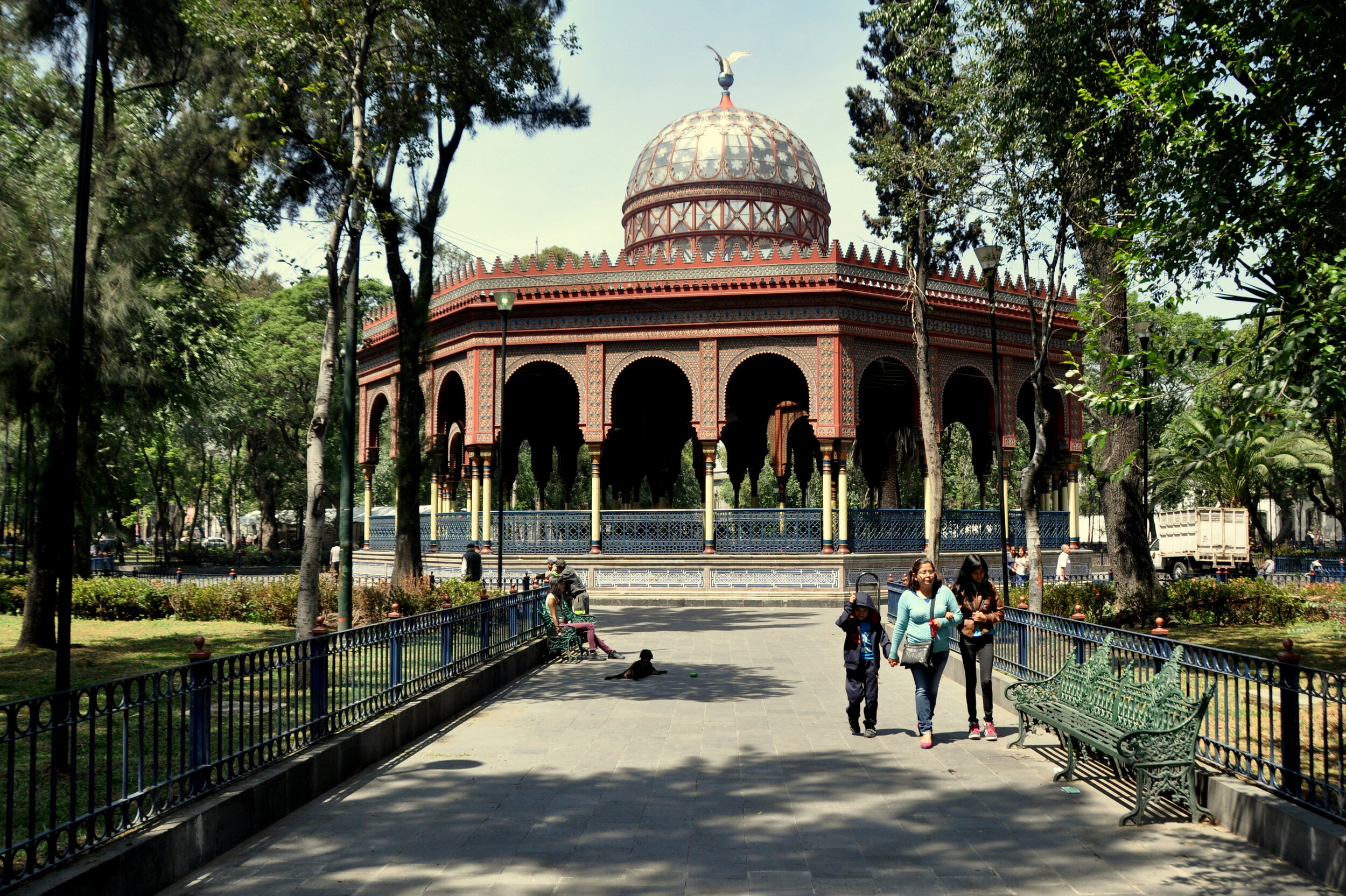
Would you like to see some lovely neighborhoods where tourists seldom set foot? On this tour I will take you to three of them, all near the center of the city, all of which are gentrifying (although very slowly and imperfectly).

Hidden Afro Mexico
Since 1519, Africans and their descendants have lived in Mexico. My colleague Mennlay Golokeh Aggrey has spent a decade researching their past and present. She curates walking tours, food tours, itineraries, gallery visits, and uncovers the hidden historical sites that tell Afro-Mexico’s story.
Choose Your Adventure
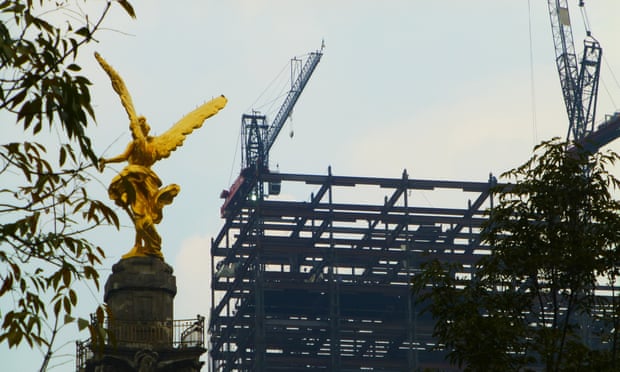
If you prefer a custom-designed tour, get in touch and I'll put it together for you. Click here to contact me about a custom tour.
“Smart, knowledgable, and fun to hang out with… David was one of the highlights of our first trip to Mexico City.”
— Lorin, Boulder, CO
“Mexico City is big and sprawling but David Lida Tours makes it feel like home--probably because it's been his home for twenty years.”
– Ann, Providence, RI
“A highly personalized tour from an expert. He covered art, architecture, history, food, culture, and what's it's like to live in Mexico City.”
— Howard, Los Angeles, CA
“David is relaxed, thoughtful, and gracious to his customers. He is similarly engaging with the locals, who, when reacting in similar grace, help you melt into the city.”
– Jim, San Francisco, CA